Bedding · Mattress guide
Inside the Vispring Elite: Materials, Construction, and Feel
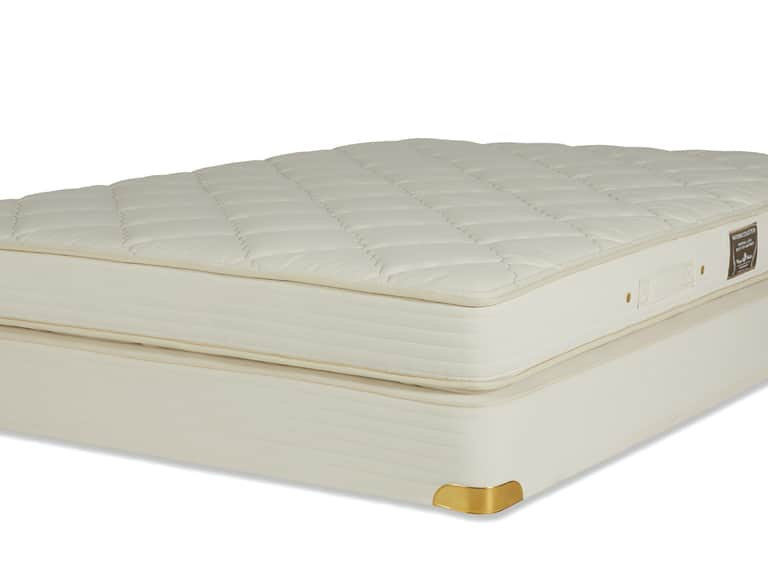
A mattress is a quiet piece of engineering: a layered arrangement of materials that shapes how a bed responds, cushions the body, and holds its character over time. The Vispring Elite invites a closer look at those details—not only what may be inside the mattress, but how its construction could translate into a nightly experience.
A practical guide to assessing materials, support, comfort, and the details worth checking before you choose.
The appeal of looking beneath the surface
Mattress shopping often begins with a feeling: plush, firm, buoyant, or somewhere in between. Those descriptions are useful shorthand, but they do not tell the whole story. Two mattresses labelled “medium” can feel distinctly different because their comfort layers, spring systems, quilting, and overall proportions are not the same. Construction is where the character of a mattress begins.
The Vispring Elite is best considered through that lens. Rather than relying on a name or a single firmness label, a shopper can examine the current specification for the exact model and size, then connect its materials and build with their own preferences. Product details can change between versions or markets, so check the manufacturer’s latest information and confirm any points that matter directly with the retailer. That little moment of diligence is less glamorous than choosing linens, perhaps, but it can make the decision much more assured.
This guide focuses on how to evaluate the Elite’s materials, construction, and feel without treating assumptions as specifications. It also explains how to compare the mattress with other Vispring models and how the bed base, pillows, and mattress protection contribute to the complete sleep setup.
What “construction” means in a mattress
A mattress is not a single material with a firmness setting. It is a system. Its uppermost layers shape the first impression when you lie down; deeper components influence how the mattress responds to weight and movement; the cover and quilting affect the surface sensation. The relationship between those elements matters as much as any individual material.
When reviewing a Vispring Elite specification, look for a clear description of its internal layers, spring unit, upholstery materials, cover, and available comfort options. Ask which materials sit nearest the surface and which form the deeper support structure. If the information is presented as a broad family description rather than a model-specific list, request confirmation for the exact Elite model you are considering.
- Comfort layers influence how readily the surface yields and how much cushioning you notice around shoulders, hips, and other pressure points.
- Support components shape the deeper response of the mattress and help determine how it holds the body in different positions.
- Quilting and upholstery contribute to the initial hand-feel, surface texture, and the transition from the cover into the mattress.
- Cover and finishing affect touch, breathability, appearance, and the care instructions you will need to follow.
These categories are a useful reading guide, not a substitute for the current product specification. If a material, spring count, or layer arrangement is important to your decision, verify it rather than inferring it from a general description or from information about another model.
Materials: the details behind the first impression
Material names can sound persuasive on a product page, but the practical question is what they do in the mattress and how they contribute to its overall feel. Natural fibres, foams, and spring systems each behave differently; their performance also depends on their amount, placement, and combination. A fibre in the top quilting, for example, affects the surface in a different way from a material used in a deeper support layer.
For the Vispring Elite, use the manufacturer’s current model-specific description to establish exactly which materials are present. Do not assume that every mattress in a brand’s collection shares the same composition. If wool, cotton, hair, latex, foam, or another material is listed, ask where it appears in the build and whether the description applies to your chosen size and configuration.
There is also a difference between a material being associated with a particular quality and guaranteeing that quality. A natural fibre may contribute to a particular surface character, but it does not by itself prove that a mattress will sleep cool for every person, feel soft, or last a certain number of years. Personal comfort, bedroom temperature, bedding, care, and the full construction all shape the outcome.
When comparing descriptions, look for specific answers rather than adjectives alone. “Breathable,” “supportive,” and “luxurious” are broad terms. Useful details include the named materials, their location in the mattress, the type of spring unit if applicable, the available firmness choices, and the recommended foundation. Where published information is incomplete, a good retailer should be able to help you confirm the particulars.
Support and the role of a spring system
In a spring mattress, the spring system is one of the central elements to investigate. Pocket springs are individually housed, while other spring arrangements use different structures and connections. Their configuration can influence how the mattress responds when weight is applied, how movement is transmitted, and how the surface feels across different parts of the bed. Those effects depend on the complete design, not just a headline count.
If the Elite’s current specification lists a spring type or count, read that information in context. A higher number is not a universal measure of better comfort, and figures are only directly comparable when the counting method, mattress size, and construction are comparable too. Ask whether the spring details refer to the full mattress or a particular unit, and whether they vary across sizes.
Support is not synonymous with firmness. A mattress can feel cushioned at the surface while still providing a more substantial response underneath; another can feel taut without being comfortable for every body. The aim is a balance that feels accommodating while allowing you to settle in a position that is comfortable for you. There is no single construction that is automatically right for every sleeper.
Try the mattress in the way you normally sleep. Spend enough time on your back, side, or stomach—whichever positions you use most—and notice whether you feel pressure, whether you are tempted to shift repeatedly, and how easy it is to change position. A brief sit on the edge or a quick press of the hand may tell you something about the surface, but it cannot stand in for lying down.
What the Vispring Elite may feel like—and how to find out
Feel is personal, and a model name alone cannot predict it. Body shape, weight distribution, sleeping position, sensitivity to pressure, and the base beneath the mattress all influence the experience. Even two people sharing a bed can describe the same surface differently. A considered choice begins with observation rather than a promise that one firmness label will settle everything.
During an in-person test, pay attention to the first few moments and the longer impression. Does the surface feel immediately yielding or more composed? Do you feel cradled, lifted, or held near the top? Are your shoulders comfortable on your side? Does your lower back feel at ease when lying on your back? These are not medical tests; they are practical prompts to help you notice how the mattress feels to you.
Try to test the mattress on a base similar to the one you plan to use. A foundation or bed frame can affect the overall response, and a different base may alter the feel compared with a showroom display. Ask the retailer which base is being used and whether it meets the manufacturer’s requirements. If you are buying online, review the trial, return, delivery, and exchange terms carefully before placing an order.
Also allow for the fact that new bedding may feel different from the mattress you have used for years. A familiar bed can make a new surface seem unusually firm or soft at first. That does not mean you should ignore discomfort, but it is sensible to understand the retailer’s comfort policy and the maker’s guidance before deciding how the mattress should feel over time.
Comparing the Elite with other Vispring mattresses
Comparing models is most useful when the comparison is specific. Start by writing down the Elite’s verified construction details, then gather the same information for the other Vispring models on your shortlist. This makes it easier to see meaningful differences without relying on price, model hierarchy, or promotional language as a shortcut for comfort.
Consider the following points side by side:
- Spring construction: Confirm the type of spring unit, any published counts, and whether the details vary by mattress size.
- Upholstery and comfort layers: Note the materials and how they are arranged, rather than simply recording a list of fibres.
- Firmness options: Check whether the model is offered in different feels or configurations and whether those options are available in your market.
- Dimensions and profile: Confirm mattress height and size, especially if you already own a bed frame, headboard, or fitted sheets.
- Care and warranty: Compare the care guidance, warranty conditions, delivery arrangements, and any comfort trial or exchange terms.
- Base compatibility: Verify which kind of foundation or frame is recommended for each mattress.
Then compare the feel in person when possible. A specification can tell you what a mattress is made from, but not precisely how your body will experience it. Conversely, a showroom test offers a useful impression but cannot answer every question about materials, maintenance, or support requirements. Together, careful reading and a thoughtful test give a more complete picture.
It is especially important not to transfer a specification from one Vispring model to another simply because the mattresses share a brand. Collections can differ in their construction and available options. Ask the retailer to confirm that each answer applies to the Elite itself, rather than to the range in general.
The bed base is part of the equation
A mattress does not perform in isolation. The base beneath it can influence stability, support, ventilation, and how the surface responds. Before buying the Vispring Elite, check the manufacturer’s guidance for suitable bed frames and foundations. Pay particular attention to any requirements concerning slats, spacing, centre support, or the use of an existing box spring.
Do not assume that a mattress will work equally well on every base. A frame that is worn, uneven, or poorly supported can affect the bed’s performance and may fall outside the manufacturer’s warranty conditions. If you are reusing a base, inspect it carefully and compare its design with the current recommendations. When uncertain, ask for written confirmation before purchase.
Compatibility matters particularly when replacing only one part of a sleep setup. An older foundation may have been designed for a different mattress type, while a new bed frame may have limits on mattress thickness or weight. Confirm the combined dimensions, overall bed height, and support requirements so that the finished setup feels intentional rather than improvised.
Pillows, protectors, and the finished sleep surface
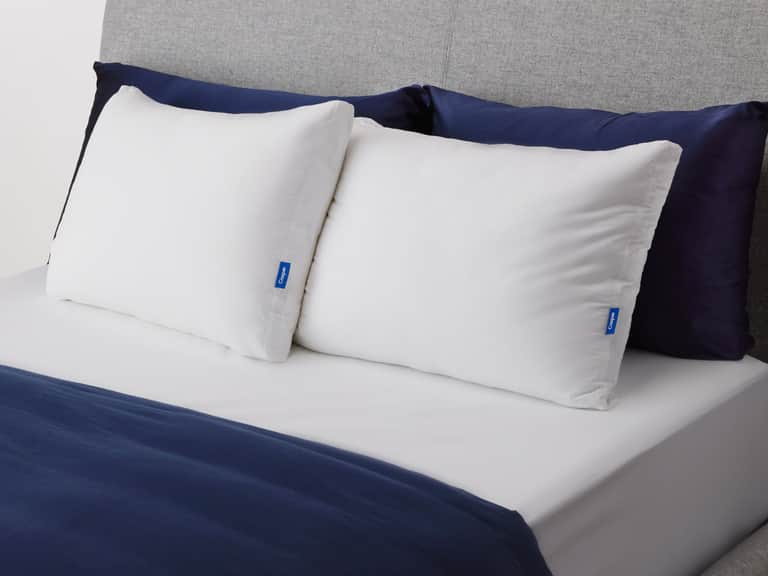
Once the mattress and base are settled, the surrounding bedding helps complete the experience. A pillow should suit your sleeping position and preferred loft; it should not be chosen simply because it matches the mattress brand. If you sleep on your side, you may prefer a pillow that fills the space between shoulder and head. Back and stomach sleepers may need a different profile. Personal comfort remains the deciding factor.
A mattress protector can help guard against everyday spills, perspiration, and wear. Choose one that fits the mattress dimensions and depth, and check its care instructions before use. A protector adds another layer between you and the mattress, so consider how its fabric and construction may affect the hand-feel of the surface. The right choice should protect without making the bed feel unlike the one you selected.
Sheets also influence the immediate touch of the bed. Weave, fibre, and fit can change whether the surface feels crisp, smooth, or more draped. Deep-pocket fitted sheets may be needed for a taller mattress or for a mattress-and-topper combination. Confirm the Elite’s actual height, including any topper you plan to use, and compare that measurement with the sheet’s stated pocket depth.
Keep the manufacturer’s care advice close at hand. Mattress covers are not necessarily removable or washable, and a care routine appropriate for one construction may not suit another. A protector, regularly laundered sheets, and attention to the maker’s instructions are often more reliable than improvised cleaning methods.
A considered buying checklist
Before committing to the Vispring Elite, use a short checklist to turn a broad impression into a clear decision:
- Have you reviewed a current, model-specific specification for the exact size you intend to buy?
- Can you identify the listed materials, spring construction, and any available firmness options?
- Have you tested the mattress in your usual sleeping positions, ideally on a comparable base?
- Does the recommended foundation match your current frame or the base you plan to purchase?
- Have you checked mattress dimensions, height, delivery access, and the total bed height?
- Do you understand the warranty, care requirements, return policy, and any comfort-exchange conditions?
- Will your protector, sheets, and pillows work with the mattress dimensions and your preferences?
If a detail remains unclear, ask before purchase. A confident choice is not necessarily the most elaborate one; it is the one for which you understand the construction, the practical requirements, and the terms attached to it. Keep copies of the product description and purchase documents, particularly if the exact configuration is important to you.
The takeaway: judge the whole design, not the label
The Vispring Elite is worth assessing as a complete design: materials, comfort layers, spring system, cover, foundation, and the way those components feel together. The model name can begin the conversation, but the specification and your own experience should finish it. By confirming the current details rather than borrowing assumptions from another mattress in the range, you can make a comparison that is both more accurate and more personal.
Look beyond a single firmness word. Explore the construction, test the surface, check base compatibility, and consider the bedding that will sit closest to your skin. The result is a more thoughtful approach to choosing a mattress—one that leaves room for craftsmanship and comfort, while keeping the decision grounded in what you can verify and what you genuinely prefer.